
Catalyst of Change Identification in Pharma & Biotech
Catalyst of change identification focuses on the people who quietly drive real behaviour change in clinical practice – the colleagues others turn to when deciding whether to adopt new evidence, pathways or products. Unlike traditional global KOLs, these catalysts often work at regional or local level, yet they play a critical role in how new treatments are actually implemented. Catalyst of change identification helps pharma and biotech teams see beyond headline names to the experts who influence daily prescribing, referrals and pathway decisions in specific markets.
What is a “catalyst of change” in pharma?
A catalyst of change is a healthcare professional who accelerates or enables shifts in real‑world practice. They may not publish extensively or speak at every global congress, but they are widely trusted within their networks and often:
- Lead local implementation of new guidelines or pathways
- Champion innovative care models or service redesign
- Serve as informal advisors for colleagues facing complex cases
- Act as key referral points between specialties or centres
Identifying these catalysts of change is essential if you want your strategy to land beyond the top tier of familiar KOLs and reach the everyday settings where most patients are treated.
How we identify catalysts of change
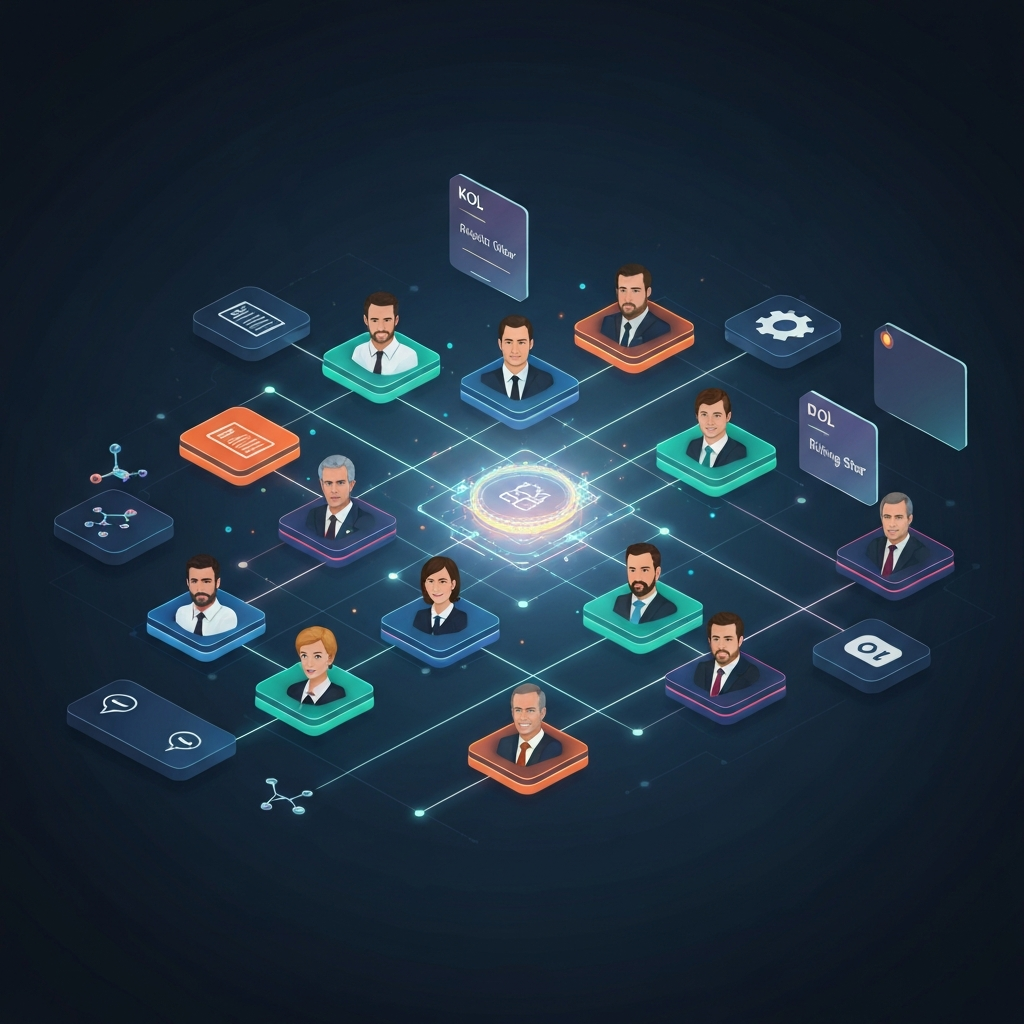
Our Catalyst of Change Identification service combines data, field intelligence and structured analysis to uncover the experts who truly move practice forward:
Distinguishing catalysts from traditional KOLs
Some catalysts of change are also classic KOLs; many are not. We deliberately separate these roles, creating a clear view of who shapes global science and who shapes local practice, so you can design complementary engagement plans.
Clarifying your change objectives
We start by understanding the specific behaviour changes you need to influence: earlier diagnosis, pathway updates, new mechanism adoption, improved adherence or service reconfiguration. This defines what “catalyst” means for your brand and therapy area.
Mapping the real-world care pathway
We examine how patients move through the system – referrals, shared-care arrangements, co‑management between specialties and local access constraints – to see where influence points exist in day‑to‑day care.
Combining quantitative and qualitative signals
We look at referral patterns, local audit data, service leadership roles, committee memberships and implementation projects, then layer in field insights, affiliate knowledge and targeted interviews to reveal who actually drives change.

What catalyst of change identification delivers
A focused catalyst of change project gives you:
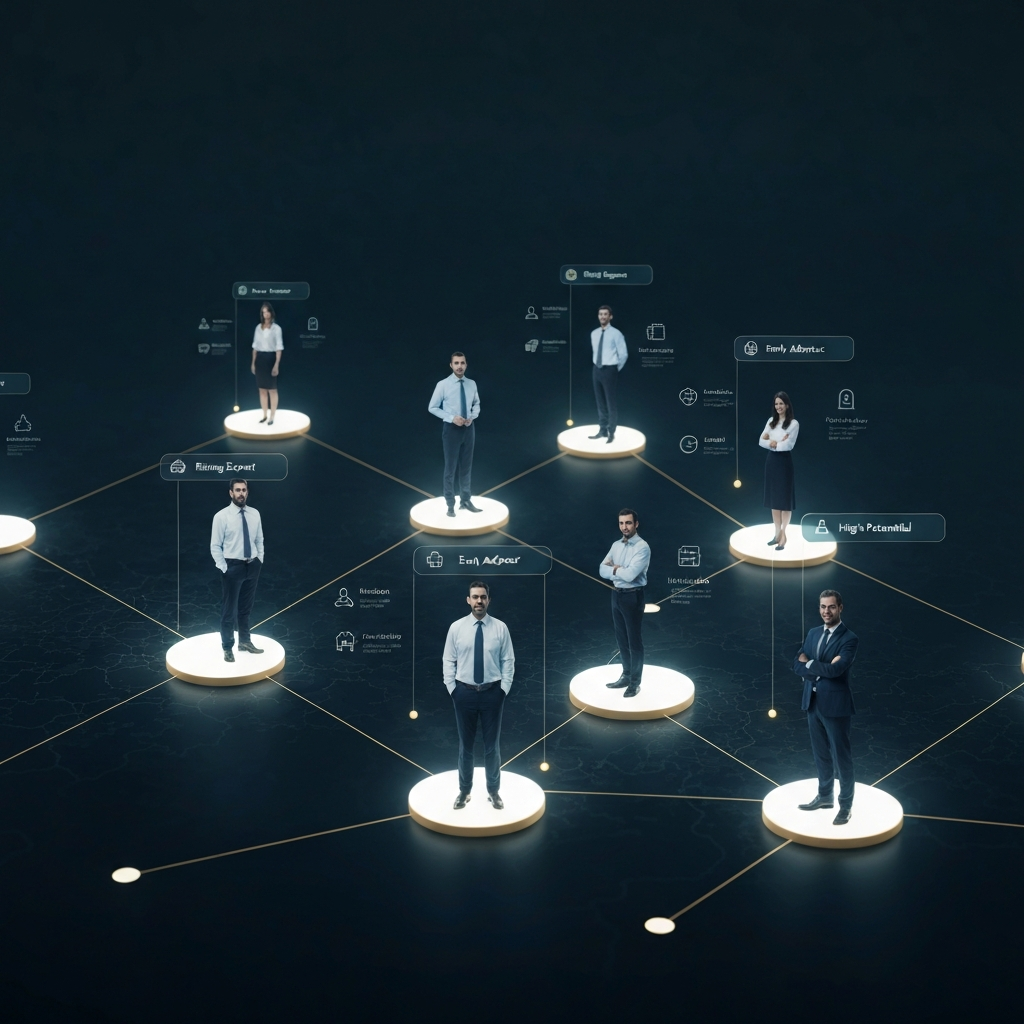
- A practical list of local and regional influencers tied to specific behaviours or pathways you want to change
- Profiles that describe not just expertise, but how each person influences teams, services and decision points
- Clear visibility of where catalysts sit in the care pathway and which other stakeholders they influence
- Segmentation that differentiates service leaders, pathway architects, peer coaches and early adopters
This makes it easier for medical and commercial teams to decide who to involve in pilots, co‑creation projects, pathway redesign, local education programmes or implementation initiatives.
Why catalyst of change identification matters
Even the best global KOL strategy can fail if it does not reach the people who own local services, budgets and day‑to‑day workflow. Catalyst of change identification helps you:
- Reduce the gap between evidence and routine practice
- Target limited resources at those most able to shift local behaviour
- Support sustainable change by working with the people who will maintain new ways of working
- Understand why adoption stalls in some regions and accelerates in others
By aligning your strategy with catalysts of change, you can move from “sharing data” to supporting real transformation in how care is delivered.
From catalysts of change to integrated expert strategy
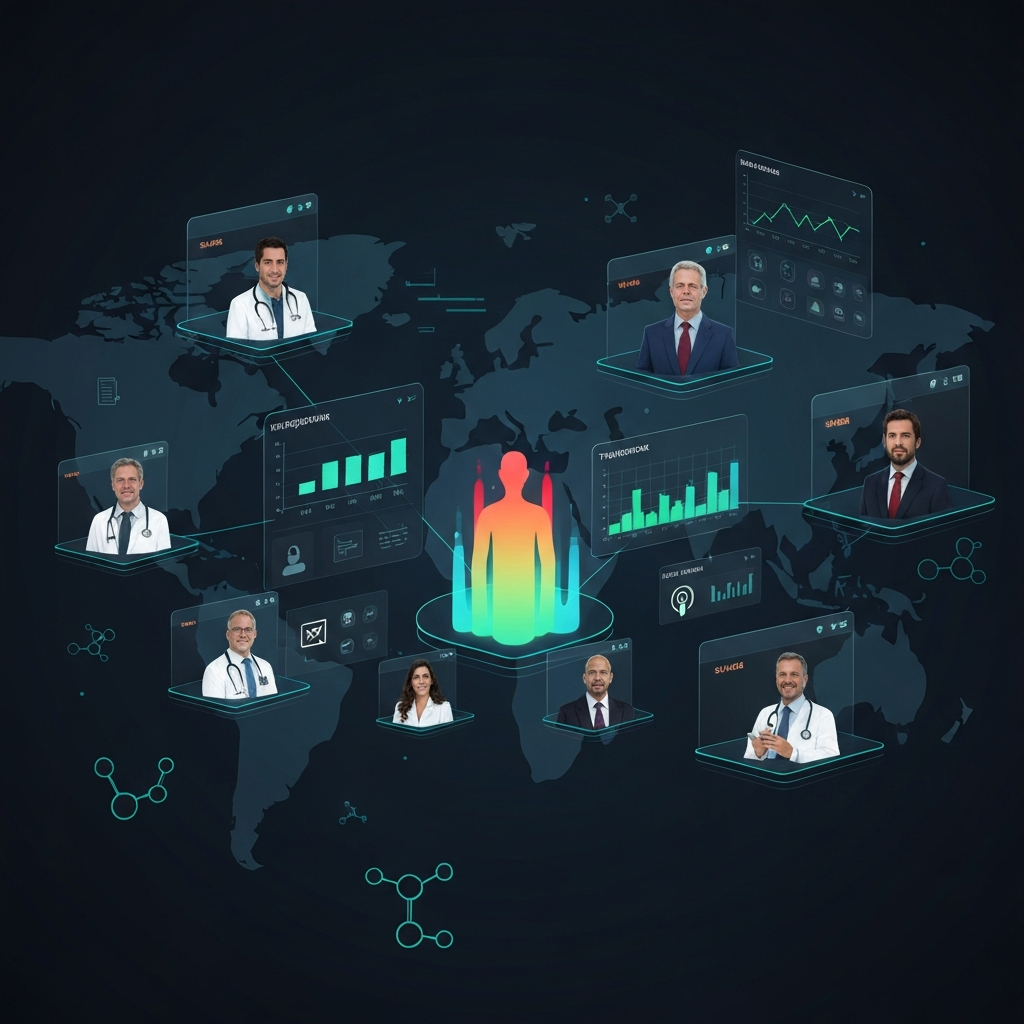
Catalyst of change identification is most powerful when combined with KOL identification, DOL identification and KOL mapping. Together, they show:
- Who shapes global and national evidence
- Who explains and amplifies that evidence in digital channels
- Who actually translates it into new pathways, services and habits locally
We design our outputs so they integrate into your broader expert strategy, helping you connect global narratives with local implementation through the people best placed to drive meaningful, compliant change.

Speak to us about how we can
help you identify the people who can most strongly impact the success of your brand and evidence strategy.